Feeling post-Ramadan blues? Learn how to keep the peace, worship, and discipline of Ramadan alive with a gentle, sustainable Islamic routine even after Ramadan.
Ramadan is a special season of mercy, discipline, and closeness to Allah (SWT). A season where many hearts come alive again. During Ramadan, even people who have felt distant from Allah (SWT) often find their way back. The soul begins to breathe differently. Sins feel heavier. Worship feels sweeter. Time feels more meaningful. You begin to live with intention.
Post-Ramadan blues refers to the emotional and spiritual low that many Muslims feel after the blessed month of Ramadan comes to an end.
When the Month of Ramadan ends, the nights become quieter. The masjid feels different. The sweetness of standing in prayer late at night begins to feel like a distant memory. The beautiful feeling of living for the sake of Allah (SWT) from dawn to sunset suddenly comes to an end. You miss who you were in Ramadan. You miss how soft your heart felt. You miss the discipline, the closeness, the tears in du‘a, the consistency in prayer, the comfort of Qur’an, and the feeling that every day had purpose. And if you are feeling it, you are not alone.
Many Muslims experience a quiet emotional dip that is hard to explain – often referred as “post-Ramadan blues.” Feeling lost, sad and disheartened is not a sign of weakness. See it as a sign that your soul wants more. Let that longing push you gently forward to religious resolve.
Some people become harsh with themselves thinking, “I was better in Ramadan. Now I am slipping. Maybe I am a hypocrite.” But the believer’s journey is not about being perfect every day. It is about returning to Allah again and again.
The first step is to let go of the “all or nothing” mindset. Many people feel that if they cannot pray extra-long prayers, read large portions of Qur’an daily, or fast often, they have somehow failed. This thinking becomes a trap. After Ramadan, your routine may be lighter, but it should not be empty.
Once all the festivities end, reflect on your journey of Ramadan.
As the Ramadan approaches, we start to fantasize – what we will do, the things we want to achieve, the level of perfection we surely will touch. You might have decided to memorize 30 surahs during that designated time, pray all salahs in the mosque, attend all taraweeh in the mosque, or start healthy eating etc.
When we start to list our achievements after Ramadan – we might find some shortcomings with our planning; maybe we could not memorize 30 surahs or attend all salah in the mosque or stick to a healthy diet.
Despite the shortcomings, you should celebrate what you have achieved – memorizing 5 new surahs, praying all the obligatory prayers, doing istighfar and dhikr after prayers. These small wins will surely lift your spirit.
Understand what you need to improve. The achievements, the shortcomings and the intentions you had before this Ramadan – let all of them be the lessons for your next Ramadan journey (InshaAllah). Our plan needs to be more practical and life oriented; so that the feeling of failure lessens.
Create a simple Islamic daily routine that fits your regular life – it might not be perfect. Do not set any unrealistic goals. Start by introducing a smaller act of worship quietly. For example, begin the morning with Fajr, a short du‘a, and a page of Qur’an. These kinds of acts might look small but they have big impacts.
Dhikr is a perfect way to remember Allah (SWT). You don’t need to arrange anything massive. You can make dhikr while doing chores or traveling or just when you are writing a blog!
One of the most powerful ways to reinforce your spiritual journey is to protect the five daily prayers. During Ramadan, people are more careful with Salah, especially Fajr and Maghrib. Salat should remain the center of the day even after Ramadan.
Practicing simple habits strengthens your connection with Allah (SWT) -
Tahajjud - in the quietest hours allows for a direct, personal conversation with the Divine, washing away the sadness of the month’s departure with renewed peace. It preserves the spiritual integrity you built during late-night Taraweeh.
Waking up for Tahajjud—even for just two Rak'ahs—reignites your discipline and reminds your soul that the Lord of Ramadan is present all year long. This consistent act of devotion transforms your nights into a source of emotional strength, keeping your heart illuminated amidst the routine of daily life.
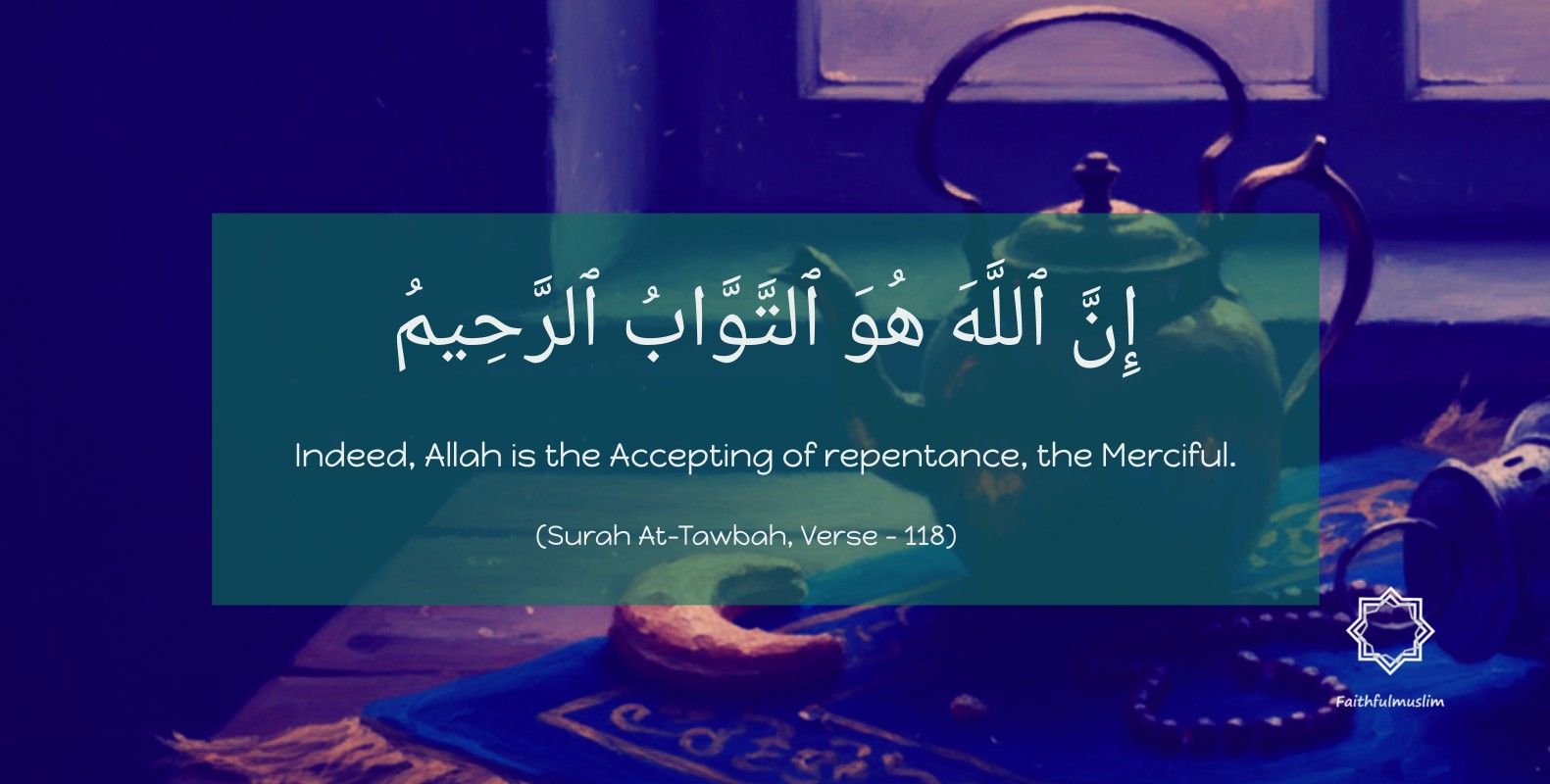
We are Human; we have our shortcomings – we sin knowingly or unknowingly every day. So, we should do tawbah and istighfar regularly. Remember Allah (SWT) is At-Tawwab – the Ever-Pardoning.
Fasting is also a beautiful way to extend Ramadan’s discipline. You do not have to fast every day or week to keep the feeling alive. You can start slowly.
Start with Shawwal (month after Ramadan) if possible. Then consider other voluntary fasting. This small act revives self-control, gratitude, and inner strength. Even one regular fasting habit can help your body and heart remember the lessons of Ramadan.
What are some good days to fast? Everyday is a good day. You can fast on any day except Eid days. Here are some fasts you can start with.
Fasting six days in the month of Shawwal, is a highly recommended Sunnah that carries the reward of fasting an entire year and maintains the spiritual momentum after Ramadan.
During Ramadan, one can miss fasting one day or consecutive day because of sickness, menstruation, travel etc. It is advised to make up for these missed fasts as soon as possible; although you can fast any time before next Ramadan. Find out who needs to make up for missed fasts.
Fasting on the 13th, 14th and 15th of every Islamic lunar calendar (except 13th Dhul Hijjah) are highly recommended for fasting. Fasting on these 3 days is equivalent to fasting the entire year, as good deeds are multiplied tenfold.
This is a highly recommended practice in Islam. Although the main reason for fasting on these 2 days is – asking for forgiveness, this habit is beneficial for detoxification, improved metabolic health, and enhanced mental clarity.
Reading the Quran nourishes our soul and eases our mind. During Ramadan you might have read Quran almost after every prayer. Later, you may stray away from that regularity. It causes immense guilt. Feelings of helplessness start to creep in.
We can simply incorporate some practices slowly in our day-to-day life-
Incorporating these specific Surahs into your daily routine is a practice deeply rooted in Islamic tradition.
Even reading one page a day matters. Even five to ten minutes after Fajr or before bed can transform your consistency. The goal is not quantity alone, it is constancy. A small regular read keeps your heart soft and your faith nourished.
To beat the post Ramadan blues, start memorizing a new, lesser-known Surah. Moving beyond rote recitation to intentional learning creates a fresh spiritual spark. You can take that as a 2 weekly plan to memorise and recite.
Also you can learn new duas such as all the Rabbana duas and prophetic duas.
Learning the tafseer of lesser-known or short Surahs is a powerful remedy for the "post-Ramadan blues". It transforms recitation into a deep, intellectual, and emotional connection with the Divine.
Give your focus to the nuances of shorter Surahs—often found in the final part of the Quran. It can provide immediate spiritual comfort and improve the quality of your daily prayers.
Start by picking a short surah that you recite frequently in prayer - read the established works from both classical context and modern thematic translation.
Post-Ramadan growth requires consistent effort. Establish a routine that keeps your heart engaged and your intellect sharp. By prioritizing daily religious education, you transform temporary seasonal enthusiasm into a lifelong journey of faith, ensuring that the spiritual elevation you felt during the holy month becomes a permanent part of your character.
Physical gatherings offer unique blessings and accountability. Finding a local circle or a consistent online seminar provides a structured environment to ask questions and build community. These weekly check-ins act as a spiritual anchor, preventing your motivation from drifting as the demands of everyday life begin to take over.
Study the lives of the Prophets and the Sahaba to find blueprints for resilience. Their struggles mirror our own challenges, offering timeless lessons in patience and unwavering trust in God. Reflecting on their sacrifices humanizes the faith, making their extraordinary devotion feel like an attainable goal for our own lives.
The Prophetic traditions provide practical guidance for every situation. Reading Hadiths from collections like Riyad as-Salihin bridges the gap between theory and practice. These concise words of wisdom offer actionable advice on character, ethics, and worship, helping you refine your daily conduct according to the beautiful Sunnah of the Prophet (PBUH).
Listening to lectures provides diverse perspectives on spirituality and jurisprudence, helping you understand the "why" behind the "how." This habit turns your commute or chores into productive learning time, keeping your mind focused on higher, divine purposes.
Your environment is a silent architect of your character. Surrounding yourself with people who value faith makes upright living feel natural rather than a struggle. A community of believers provides a collective energy that sustains your individual spiritual journey, ensuring your heart remains vibrant and resilient long after Ramadan ends.
Faith is often caught, not just taught. Keeping close to practicing friends provides a mirror for your own soul; their good habits naturally encourage yours. These bonds act as a safety net during low moments, offering the gentle reminders and sincere advice needed to keep your spiritual momentum moving forward.
Entering a study circle transforms solitary reading into a shared journey of discovery. Whether online or at the mosque, these groups offer accountability and diverse insights that deepen your understanding. Being part of a collective effort, fosters a sense of belonging and keeps you consistently inspired.
Post-Ramadan blues can sometimes turn into self-criticism. You feel the drop in motivation. Then disappointment becomes guilt, and guilt becomes distance - this is a trap. If you fall then, return to Allah (SWT) - return again and again and again.
 Allah (SWT) is not only the Lord of Ramadan. He is the Lord of every month, every ordinary day, every quiet night, every weak moment, every sincere comeback. Do not let guilt convince you that because you are not at your Ramadan best, there is no point trying. There is always a point in returning to Allah (SWT).
So if you are missing Ramadan deeply, let that longing lead you somewhere beautiful. You only need to continue walking toward the One who made Ramadan beloved to your heart.